Fire-Protective Coating
Non-Sacrificial Fire Protection for Critical Timber Infrastructure
Wildfire Shield is a non-sacrificial fire mitigation coating that acts as a high-temperature thermal barrier — shielding timber utility poles, bridges, and railroad infrastructure from wildfire damage.
- ASTM E119 fire-resistance rated
- Flame Spread 0, Smoke Development 0 (ASTM E84)
- Designed for DOT, utility, and rail infrastructure
- Spray or brush application
- Consult NanoTech Materials for recoat intervals
Request a Fire Protection Assessment
Specify your substrate type and we will send a custom recommendation.
The Threat
Wildfire Threatens the Infrastructure You Cannot Replace Quickly
The Western US alone has over 180 million timber utility poles, thousands of rail trestles, and countless bridge timbers — all vulnerable to wildfire. A single fire season can destroy years of capital investment and leave communities without power, transit, or connectivity for months.
Traditional fire protection for timber — cementitious wraps, concrete encasement, or metal shielding — is expensive to install, difficult to inspect, and often traps moisture that accelerates rot. These methods protect against fire but introduce new failure modes.
Wildfire Shield takes a different approach. It uses high reflectance, high emissivity, and low thermal conductivity to directly protect substrates and reduce heat transfer from impinging flames and radiant heat — without sacrificing the coating in the process.
How It Works
How Wildfire Shield Protects Timber
Non-sacrificial thermal barrier technology — always protecting.
Thermal Barrier Protection
Wildfire Shield uses high reflectance, high emissivity, and low thermal conductivity to directly protect substrates and reduce heat transfer from impinging flames and radiant heat.
ASTM E119 Rated
Tested per ASTM E119 (Standard Test Methods for Fire Tests of Building Construction and Materials) to demonstrate fire-resistance performance on timber substrates.
Weather Resistant
Wildfire Shield is designed to withstand outdoor exposure on timber infrastructure across a wide range of environmental conditions.
Visual Inspectability
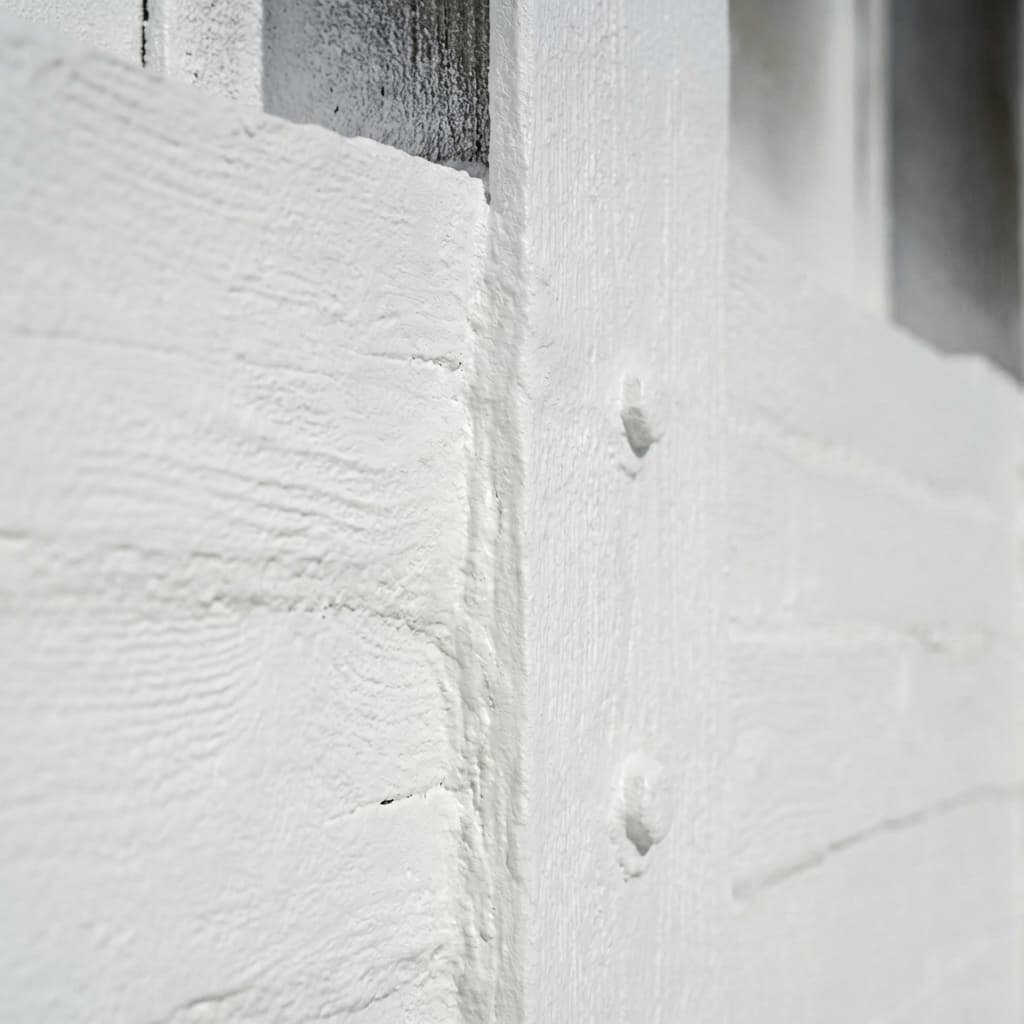
The white finish (custom colors available) allows inspectors to visually assess poles and structures without removing cladding.
Field Results
Across infrastructure. Across climates.
From Pacific Northwest bridges to Western utility corridors, deployed where wildfire risk is highest.
State DOT Bridge Program — Pacific Northwest
State DOT program protected multiple timber retaining walls with efficient single-structure application timelines.
Investor-Owned Utility — Western US
Wildfire Shield was field-applied to in-service utility poles without removing them from the line — no outage required during installation. The white finish allows visual inspection without removing cladding.
Rail Trestle Protection Program
Applied to timber rail trestles in wildfire-prone corridors. The non-sacrificial coating remains in service and is visually inspectable after a fire event — recoatable in localized areas if damage is detected.
The Process
4-Step Application
Site assessment to inspection — our applicators handle the whole flow.
Site Assessment
Our team evaluates the timber substrate, environmental conditions, and access logistics for your infrastructure.
Surface Preparation
Timber is cleaned and dried. Loose bark, dirt, and debris are removed to ensure proper adhesion.
Coating Application
Wildfire Shield is applied via airless spray or brush at the specified thickness. Consult application guide for surface preparation requirements.
Inspection & Documentation
Dry film thickness is verified and documented. You receive application records and maintenance guidelines.
Questions
Frequently Asked Questions
Everything DOT engineers, utility ops, and rail operators ask before specifying.
What substrates can Wildfire Shield be applied to?+
Does it change the appearance of the timber?+
How long does the protection last?+
Can it be applied to in-service poles?+
What happens after a fire event?+
Is it environmentally safe?+
Ready When You Are
Protect Your Timber Infrastructure Before the Next Fire Season
Request a fire protection assessment for your utility poles, bridges, or rail infrastructure. Our team will recommend a treatment plan based on your risk profile.